


A way to buy official merchandise
If you get into K-pop, you’ll eventually wonder where to buy albums and official merchandise.
One of the most common ways to do that is directly through Weverse .
Buying within Weverse...

Curated guides, cultural insights, and news updated regularly.

In Korea, the number 7 is often written differently.
A short line is added through the middle of the number 7.
Because of this, it can look different from the way 7 is written in other countries.

In Korea, it is common to see small stacks of stones in mountains or along trails.
What it means
Making a wish Hoping for good luck A simple, personal ritual

What is Arirang
Arirang is the most well-known traditional song in Korea, passed down through generations.
What kind of song is it
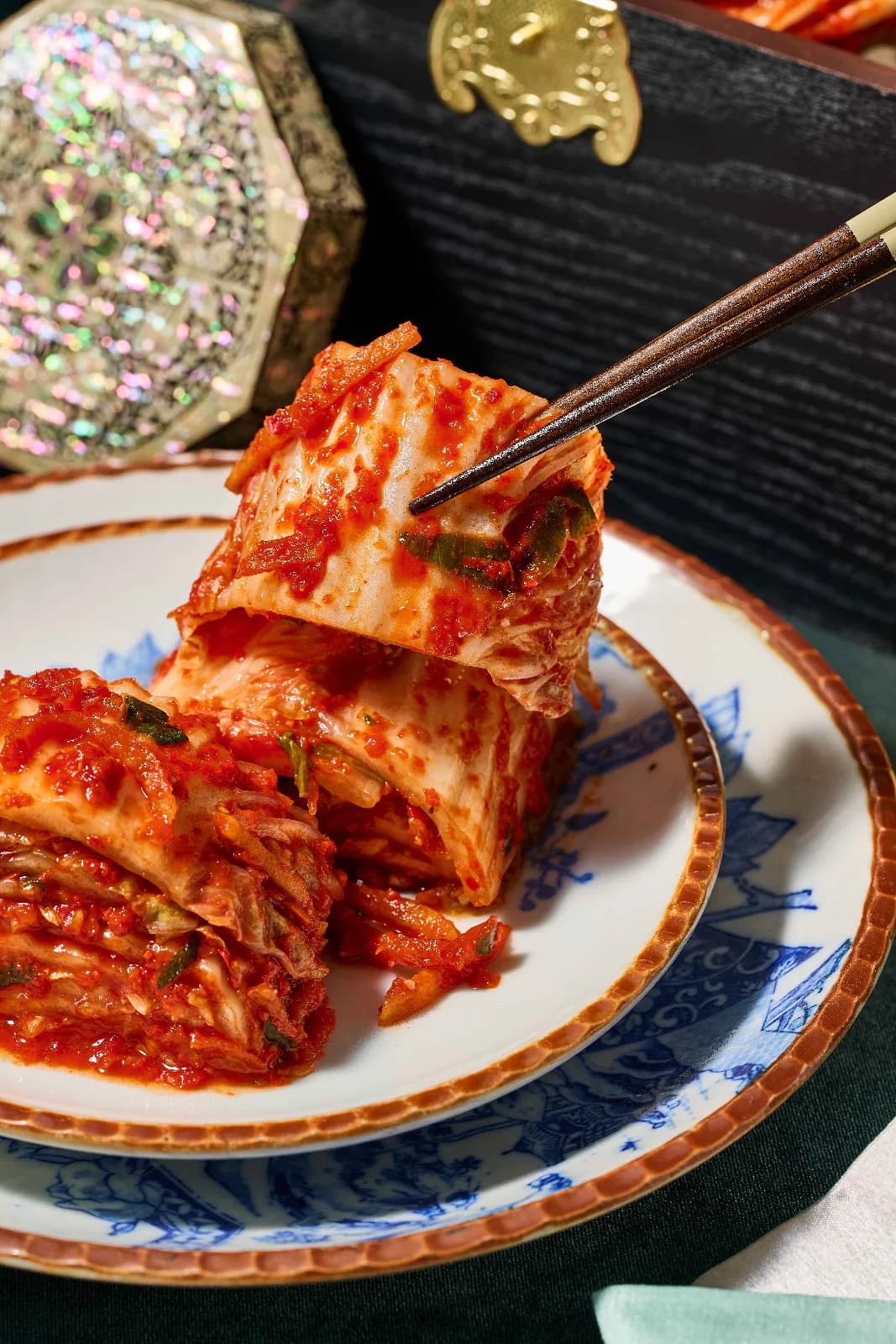
Kimchi is served first in Korean restaurants
When you go to a Korean restaurant, you’ll often get kimchi before you even order.
No matter what you choose, kimchi usually comes as a standard side dish.
In Korea, most public restrooms are free to use.
Where Can You Find Them?
Public restrooms are easy to find in many places.
Subway stations Parks Large buildings Commercial areas
In Korea, people do not wear shoes inside the house.
Why Do People Take Off Their Shoes?
To keep the home clean Because of a floor-based lifestyle
The inside of a home is considered a clean space, separate from the outside.
Does “Let’s have a meal sometime (밥 한 번 먹자)” mean a real plan
The Korean phrase “밥 한 번 먹자” (bap han beon meok-ja) literally means “let’s have a meal sometime.”
However, it does not always refer to a specific plan.
What it usually means
Does “ani~ (아니)” mean “no”
“Ani” literally means “no,” but when it is used at the beginning of a sentence, it functions differently.
How it is used
The phrase “아니~” (ani~) is commonly used:
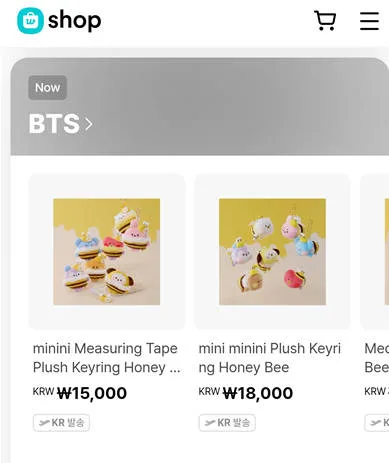
A way to buy official merchandise
If you get into K-pop, you’ll eventually wonder where to buy albums and official merchandise.
One of the most common ways to do that is directly through Weverse .
Buying within Weverse...
A more personal way fans connect
If you get into K-pop, there’s another platform you’ll hear about often alongside Weverse .
That is Dear U Bubble .
While Weverse feels like a public community, Bubble offers a much more personal kind of fan experience.
What is Bubble
Dear U Bubble is a platform where fans receive messages from artists.
Fans subscribe to specific artists and get messages sent by them....

A name every fan hears at least once
If you get into K-pop, there’s a name you’ll keep hearing.
One of the most common ones is Weverse .
K-pop fans usually use multiple platforms, but Weverse is one of the most widely used ones....

A website to check before planning your trip to Korea
When planning a trip to Korea for the first time, one of the most challenging parts is finding the right information.
Where should you go? How do you get around? And what about entry requirements like visas?
There’s more to figure out than you might expect....
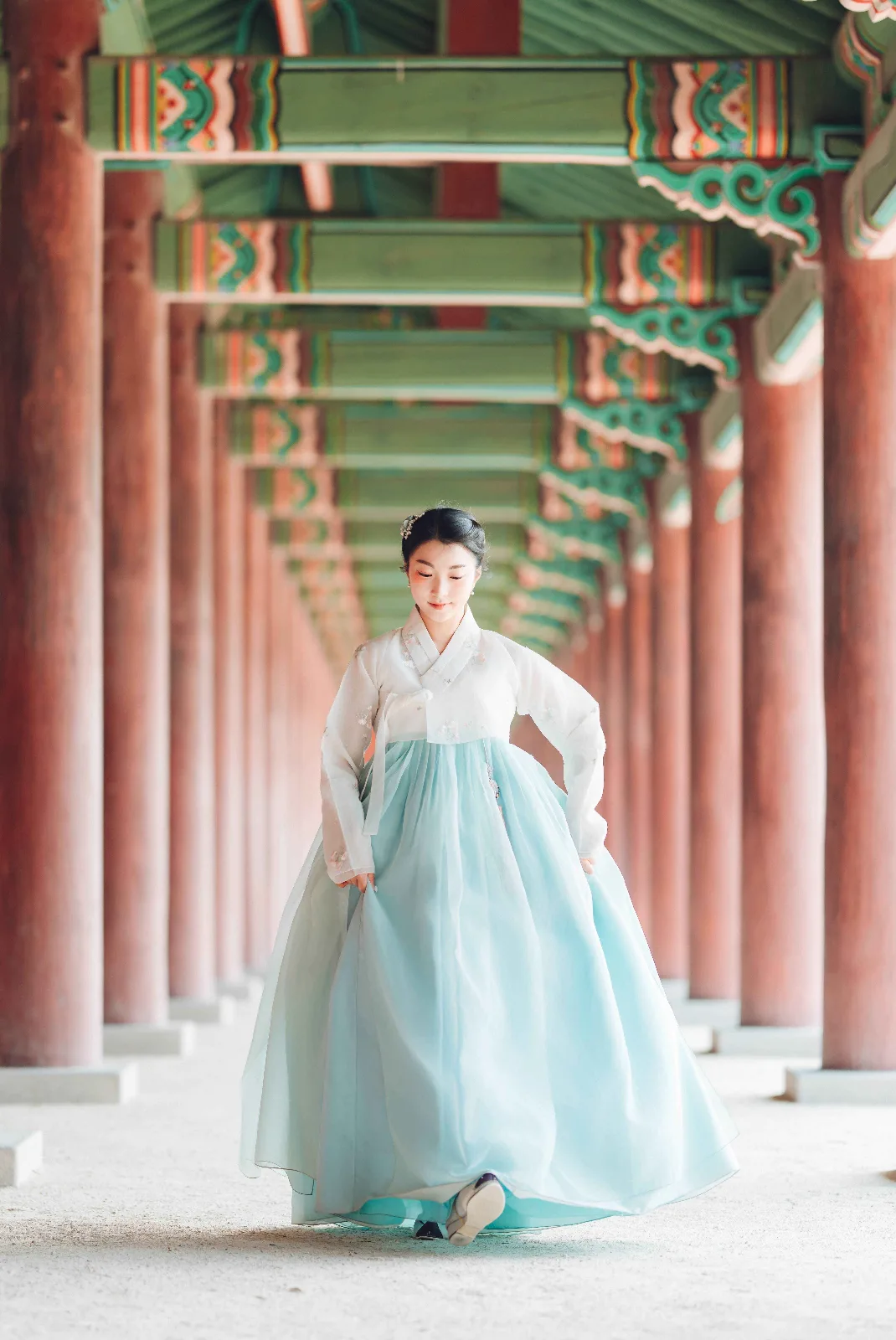
Hanbok (한복) is more than just traditional clothing
When people think of Korea, one of the first images that comes to mind is hanbok. But hanbok cannot be fully explained by simply calling it “traditional clothing.”
Hanbok is a clothing that reflects Korea’s long history, culture, and sense of aesthetics. It is known for its loose fit, layered structure, and soft, flowing silhouette.
When do people wear hanbok?...
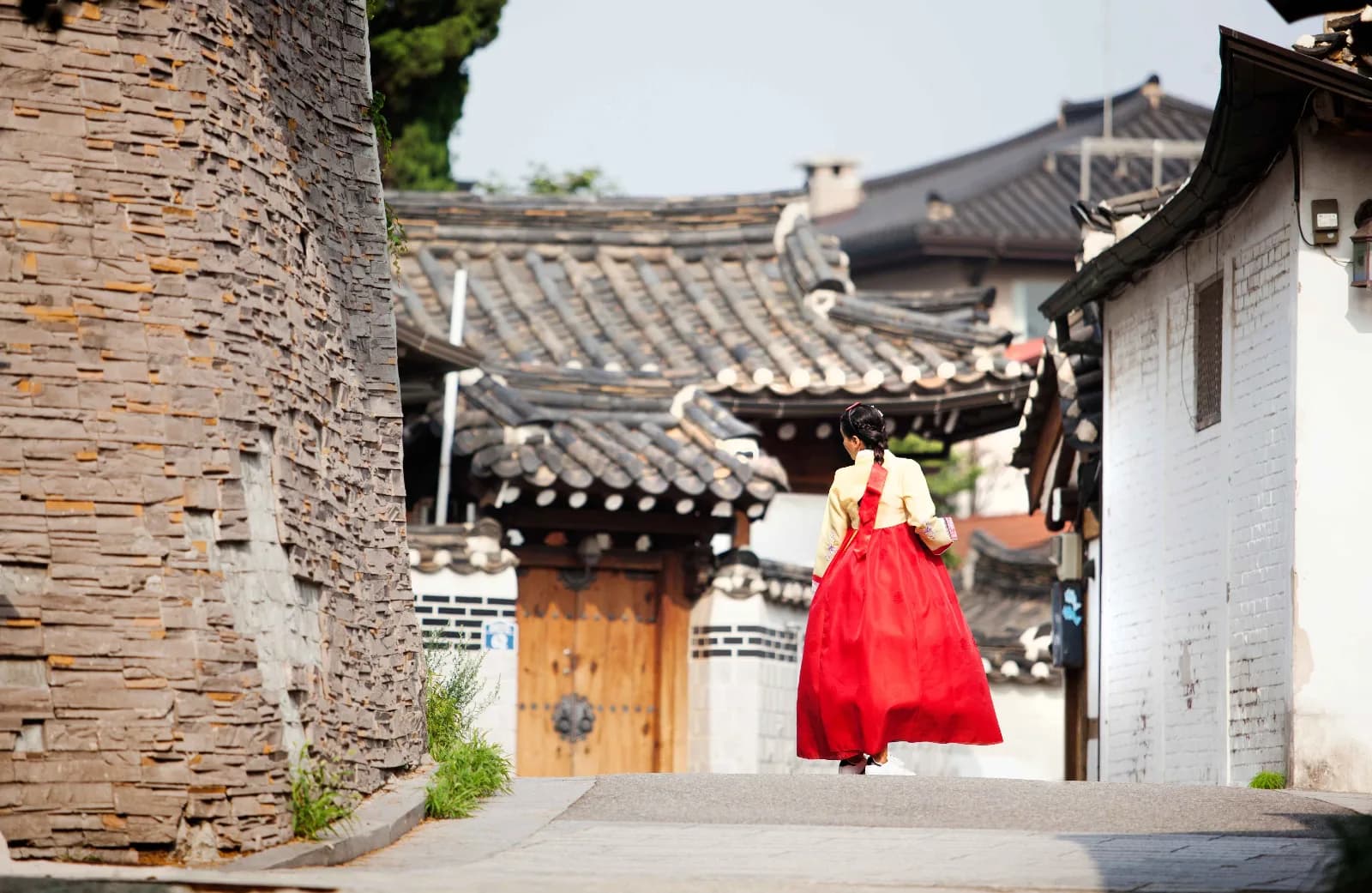
What is Bukchon Hanok Village?
Bukchon Hanok Village (북촌 한옥마을) is a traditional Korean village located in the center of Seoul. It is an area where hundreds of hanok (한옥, traditional Korean houses) are gathered, situated between Gyeongbokgung Palace and Changdeokgung Palace .
It is known as a place where visitors can experience the atmosphere of the Joseon Dynasty, with well-preserved traditional architecture. Unlike many tourist attractions, Bukchon 북촌 is also a residential area where people still live.
What can you d...

Why You Should Not Buy Korean Skincare Just Anywhere Overseas
Korean skincare, or K-beauty, is popular all over the world. At the same time, however, it is not always easy to verify where a product actually comes from.
This is especially true on global marketplaces where many different sellers list the same items. Even when the product name looks identical, the distribution channel can vary depending on the seller.
For example, platforms like Amazon or eBay allow multiple sellers to list products, which means buyers n...
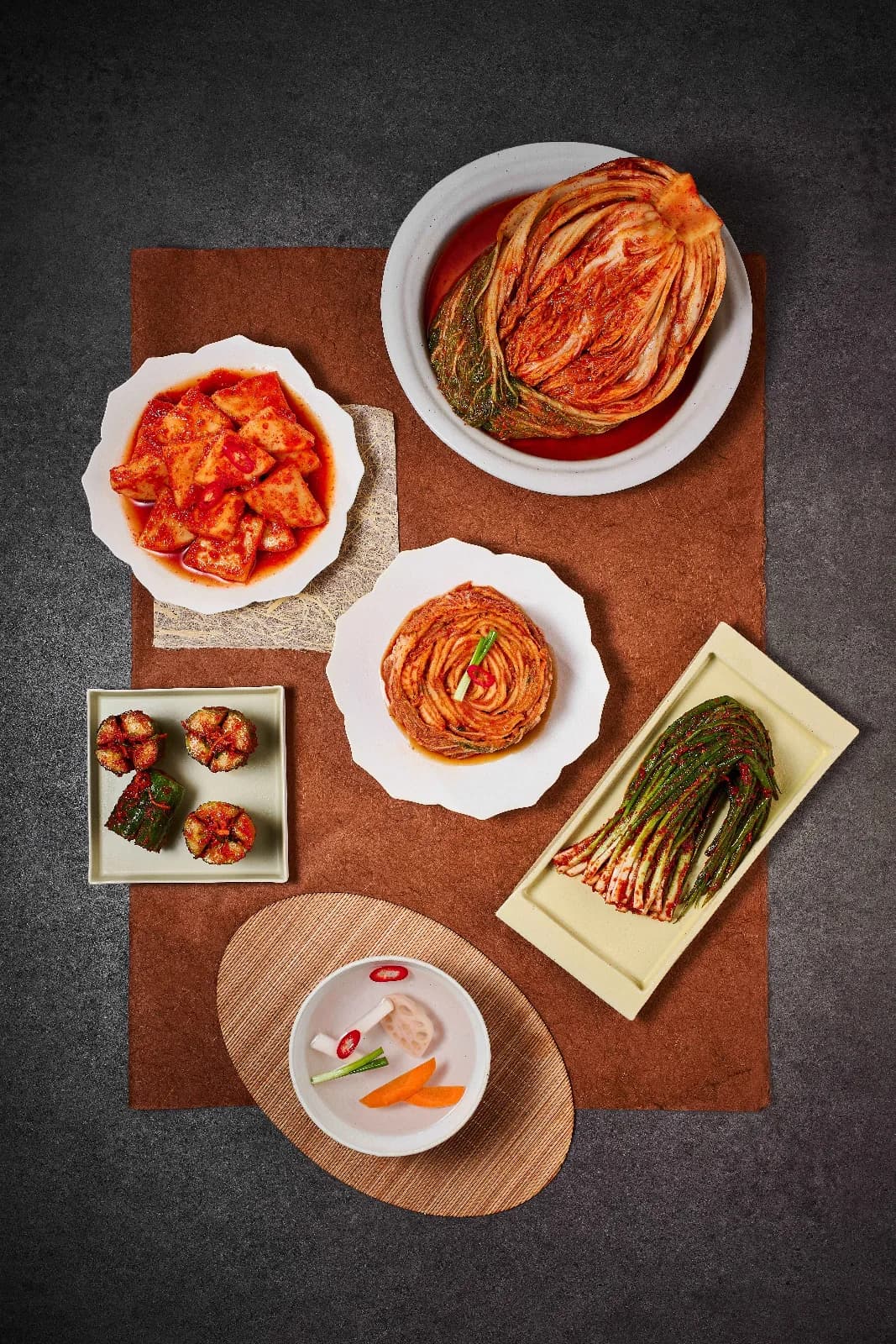
Kimchi is not just one thing
When people think of kimchi, they often picture a single dish.
But in Korea, there are many different types of kimchi.
Depending on the ingredients, the season, and the situation in which it’s eaten,...
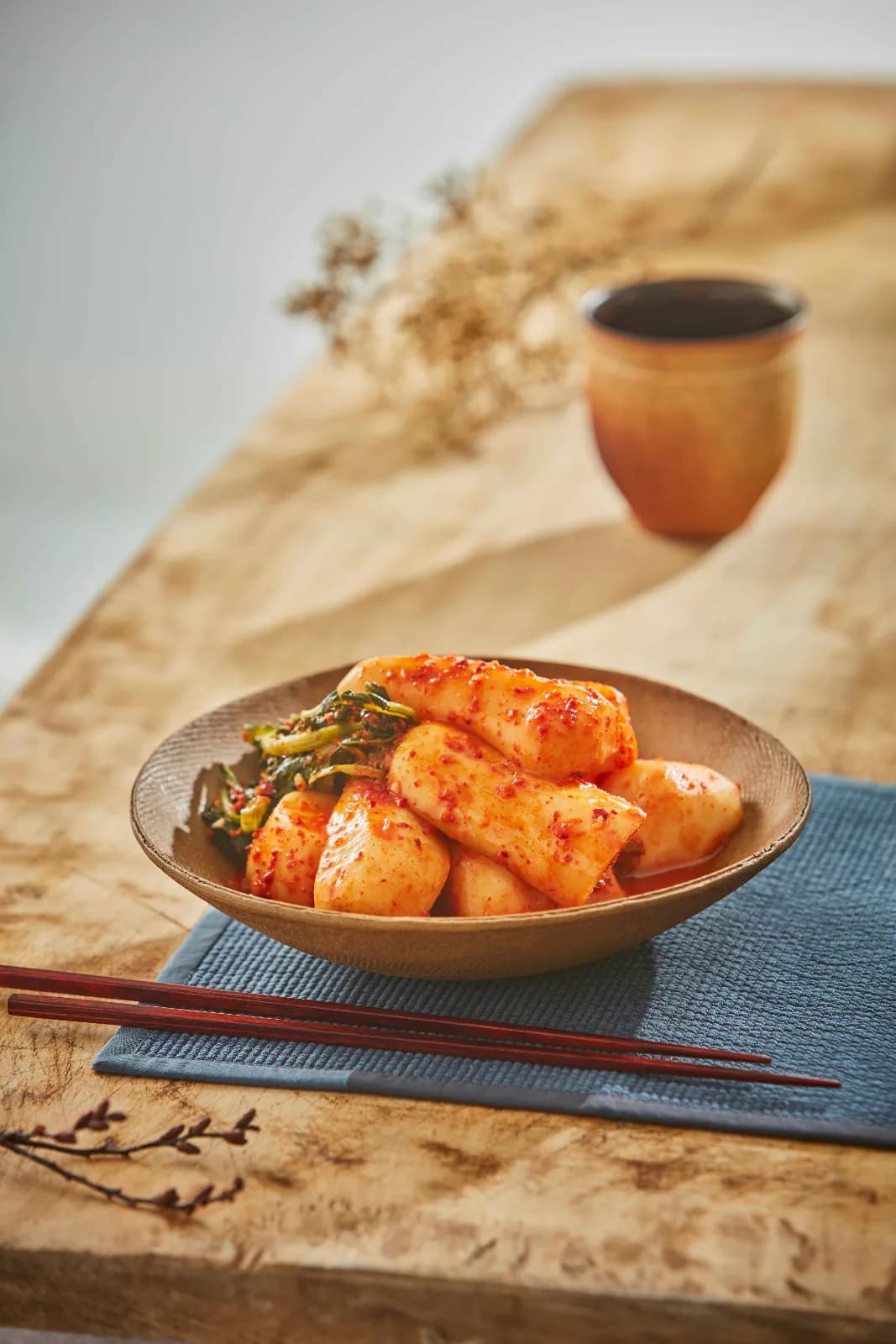
A kimchi with a different shape
When people think of kimchi, they often imagine it cut into smaller pieces.
But there are also types of kimchi with a slightly different shape.
One of them is chonggak kimchi. (총각김치)...
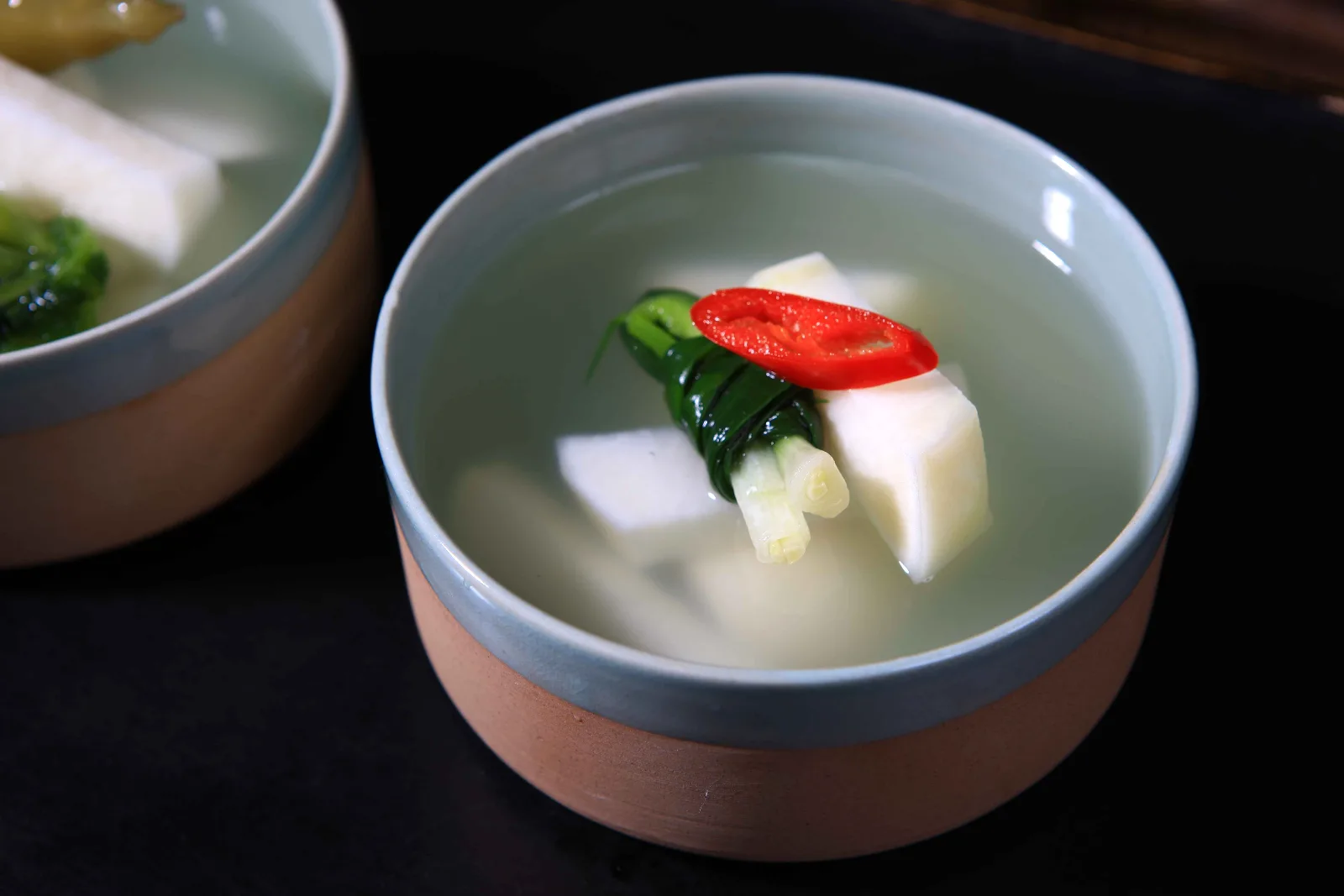
A kimchi enjoyed with its juice
When people think of kimchi, they often imagine something eaten as a side dish.
But there are also types of kimchi that are enjoyed together with their juice.
One of them is dongchimi. (동치미)...
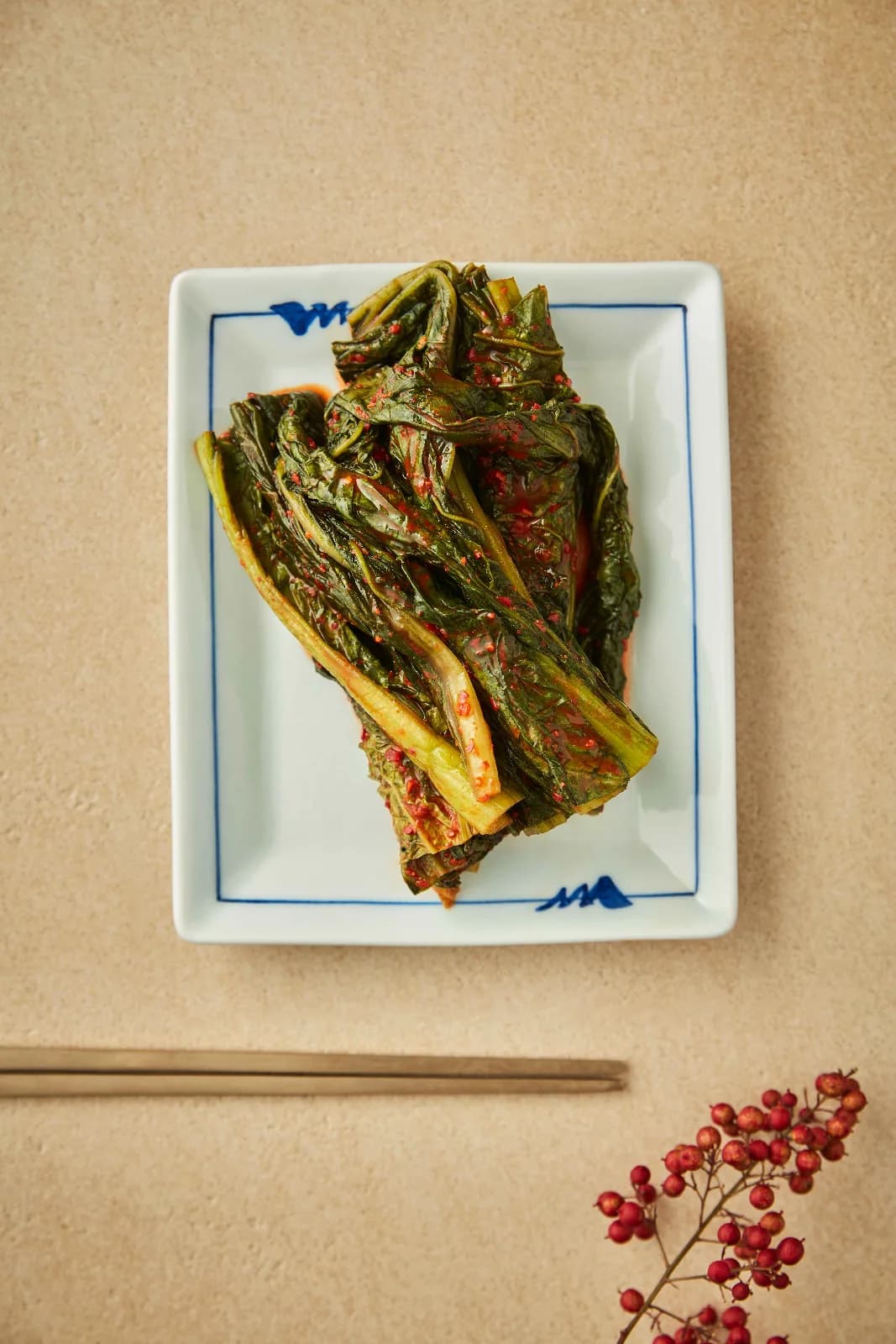
A kimchi that may feel unfamiliar at first
In Korea, there are some types of kimchi that can feel unfamiliar when you first try them.
One of them is gat kimchi. (갓김치)
A kimchi made with mustard leaves...
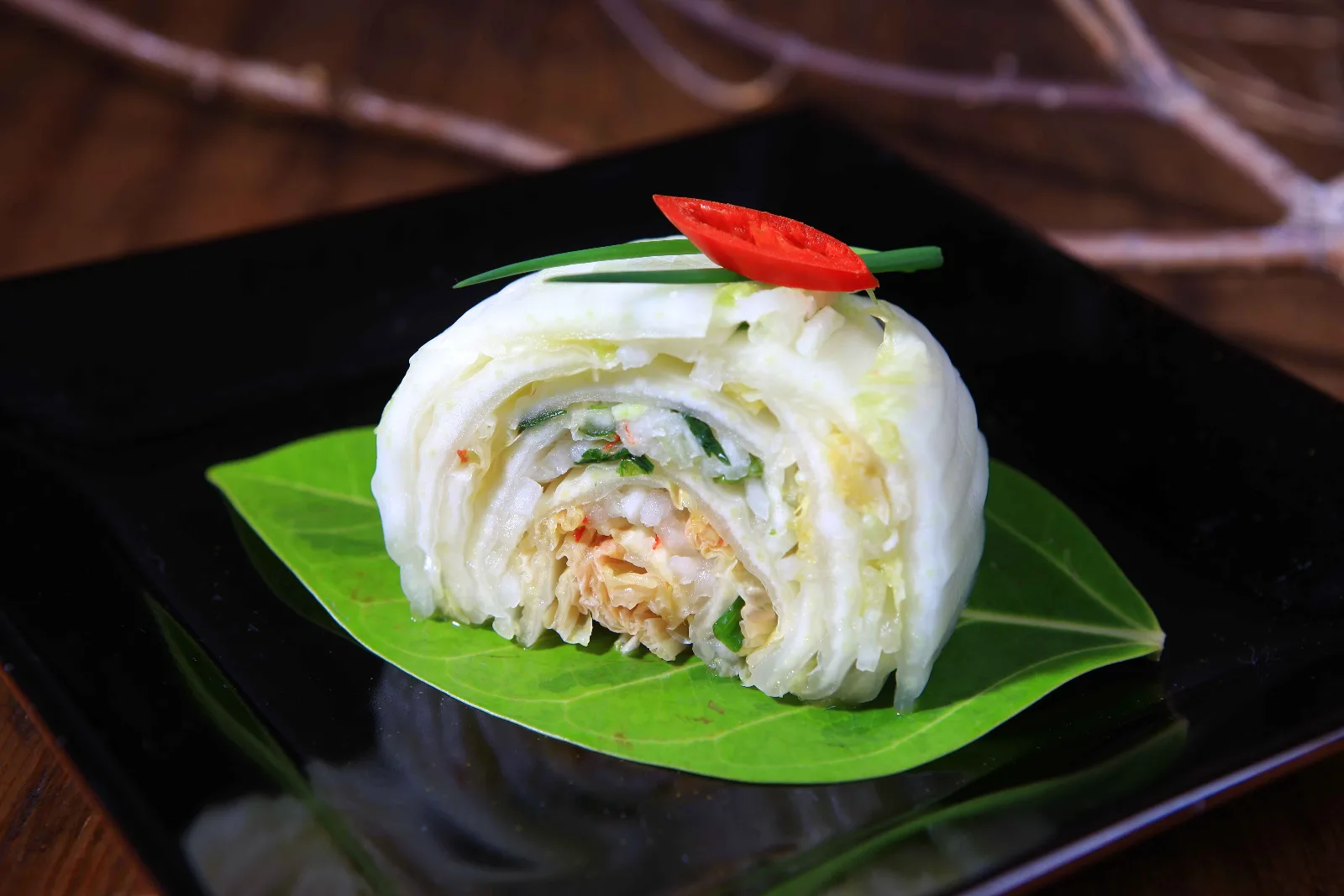
Not all kimchi is spicy
When people think of kimchi, they often imagine something spicy.
But there are also types of kimchi that are not spicy at all.
One of them is baek kimchi. (백김치)...
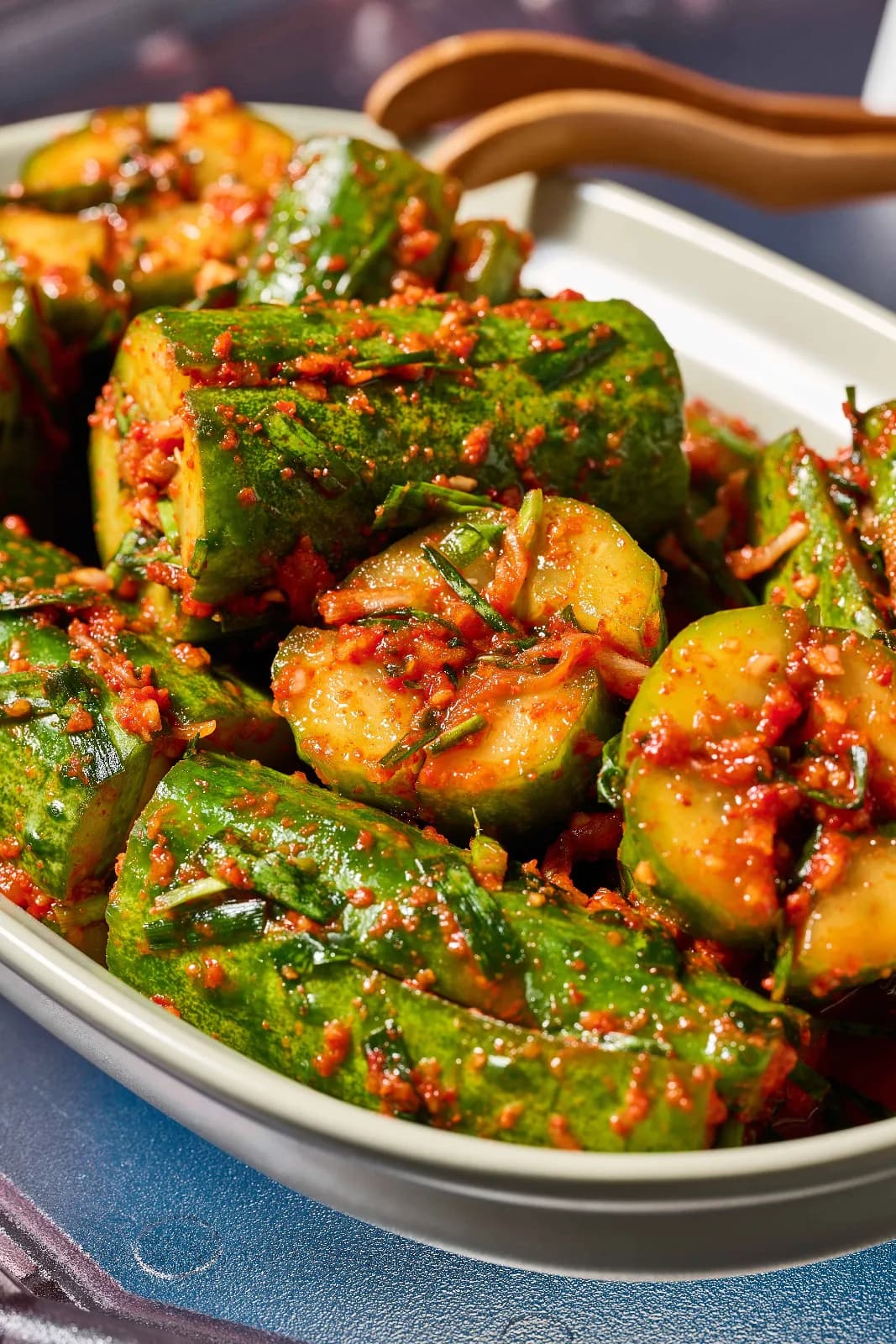
A kimchi that’s meant to be eaten fresh
When people think of kimchi, they often imagine something that develops deeper flavor over time.
But there are also types of kimchi that are meant to be eaten fresh.
One of them is oi kimchi (오이김치)....
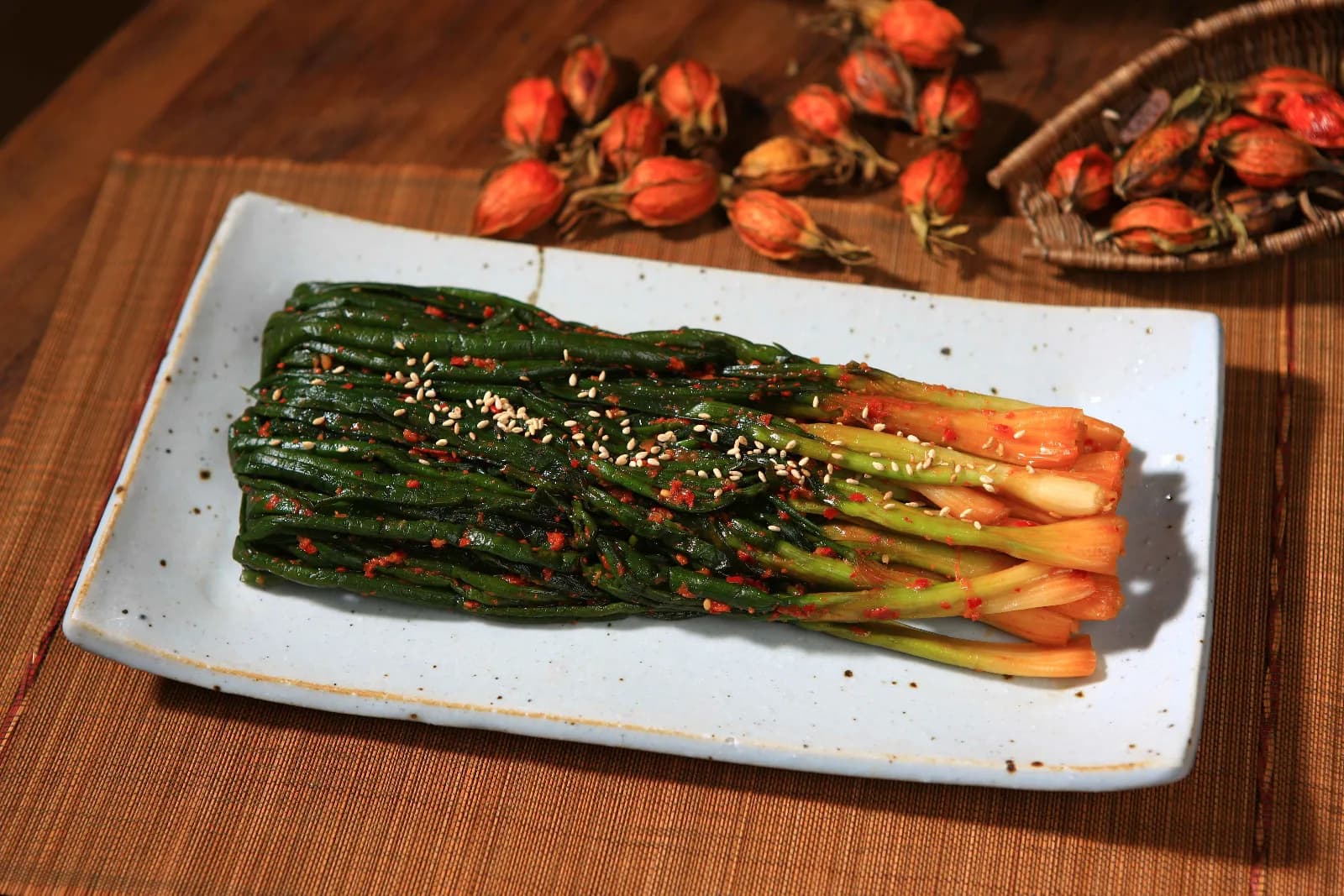
A kimchi that can feel unfamiliar at first
In Korea, there are some types of kimchi that can feel unfamiliar when you first try them.
One of them is pa kimchi (파김치).
For people who aren’t used to it, the flavor can feel quite strong at first....
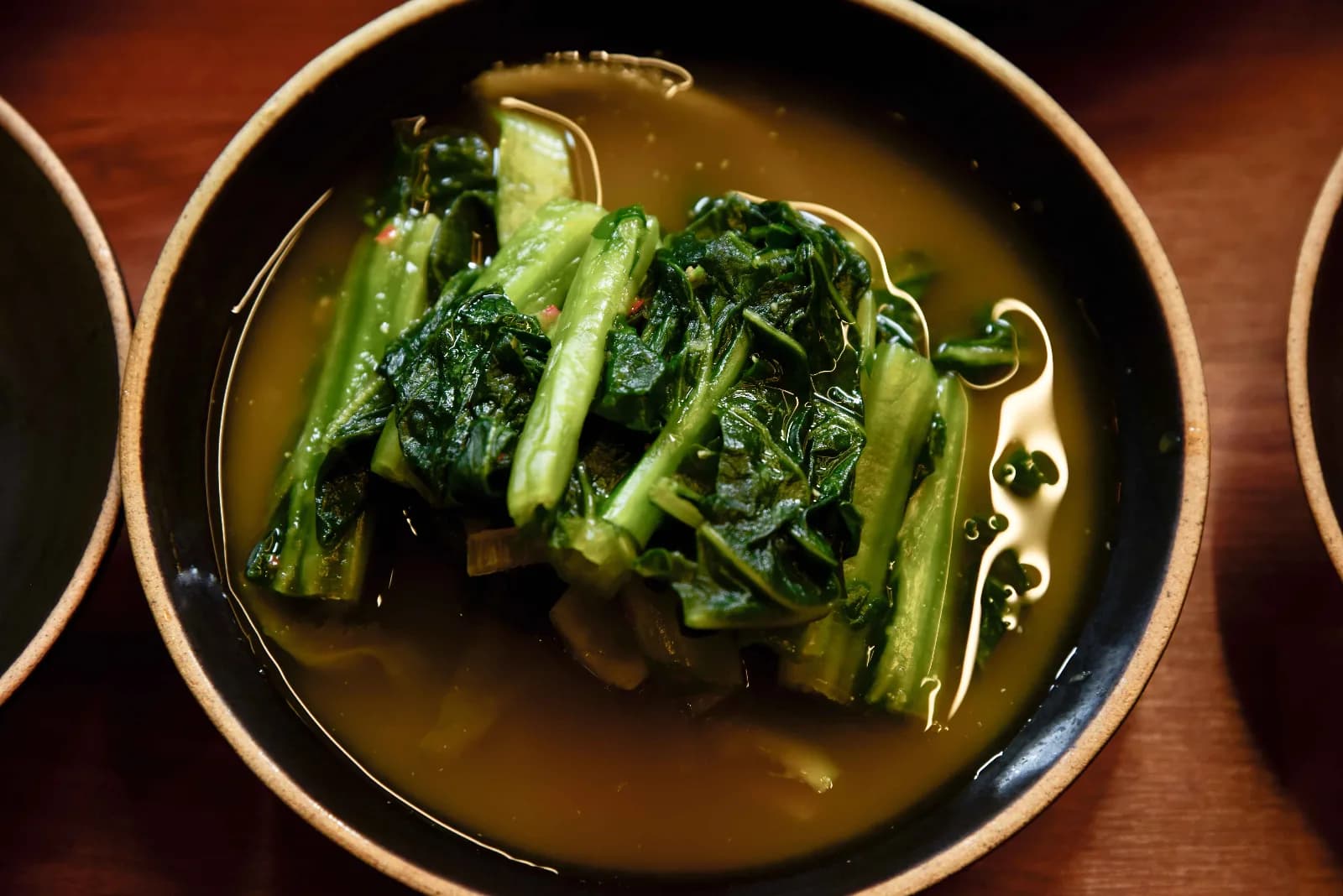
A kimchi that comes to mind on hot days
When the weather gets hot, you start to think of a different kind of kimchi.
Instead of something rich and heavy, a lighter and more refreshing taste feels more fitting.
That’s when yeolmu kimchi (열무김치) often comes to mind....
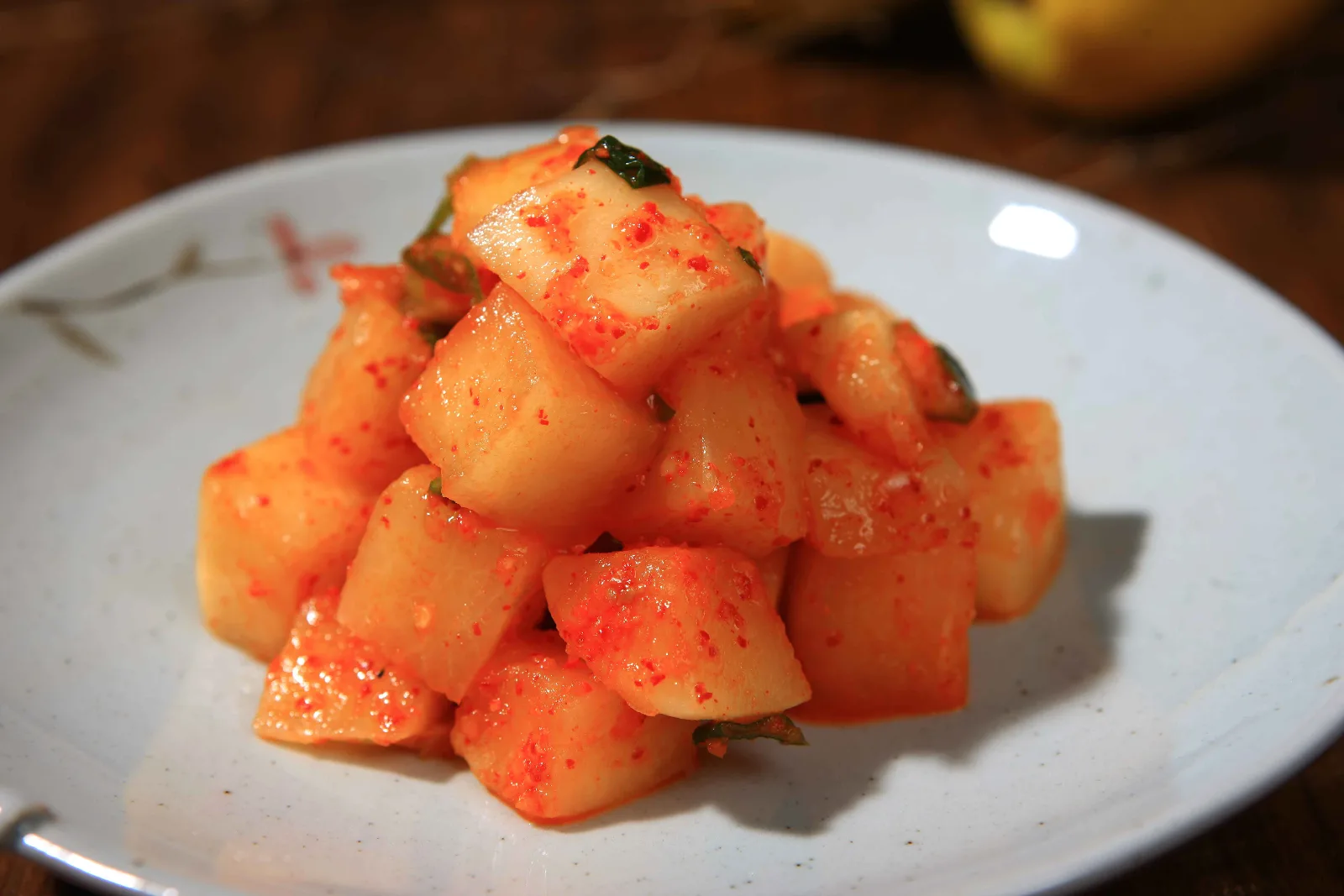
The kimchi that comes with soup dishes
In Korea, when you order dishes like gukbap (국밥) or seolleongtang (설렁탕), there’s a type of kimchi that almost always comes with it.
That’s kkakdugi. (깍두기)
You don’t usually have to order it. It’s often served by default....
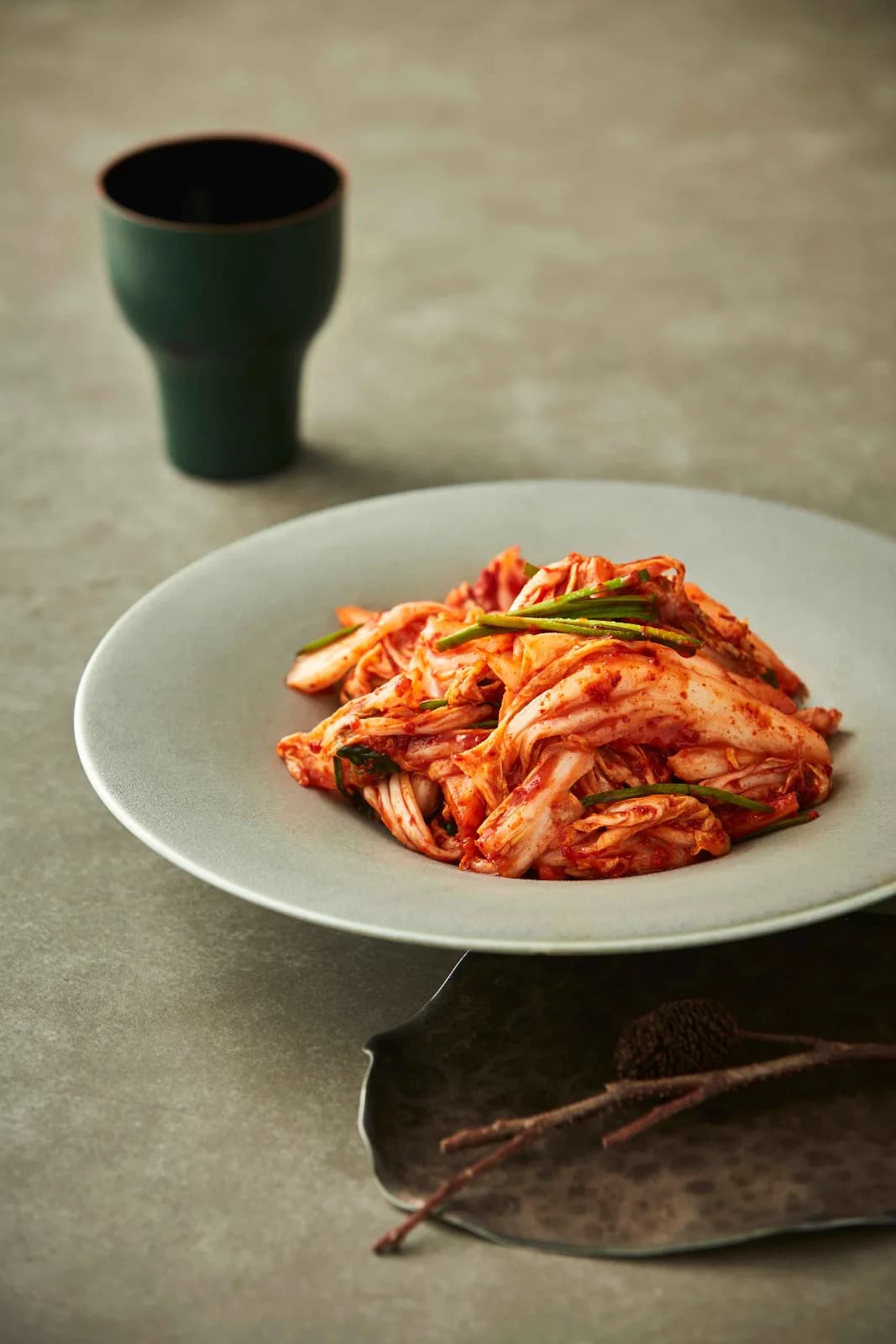
When people say “kimchi,” they usually mean this
In Korea, when people say “kimchi,” (김치) they are often referring to baechu kimchi. (배추김치)
It’s considered the most basic and standard type of kimchi.
A fermented dish made with napa cabbage...
Kimchi is served first in Korean restaurants
When you go to a Korean restaurant, you’ll often get kimchi before you even order.
No matter what you choose, kimchi usually comes as a standard side dish.
What is kimchi?...

Why people ask about your zodiac sign
In Korea, instead of asking your age directly,
people sometimes ask, “What’s your zodiac sign?”
This is a way to figure out your age indirectly....
Relationships in Korea are often based on birth year
In Korea, even if people are close in age, relationships are often defined by birth year.
People born in the same year are usually considered friends,
while a one-year difference can place someone in an older or younger role.
But there’s a situation called being born early in the year
There’s a concept often referred to as being “born early in the year.” (빠른년생)
People born in January or February sometimes went to school with those born in the previous year....