



Koreadores
Korean Society & Culture#chuseok#cultural experience#doljanchi#gyeongbokgung#hanbok

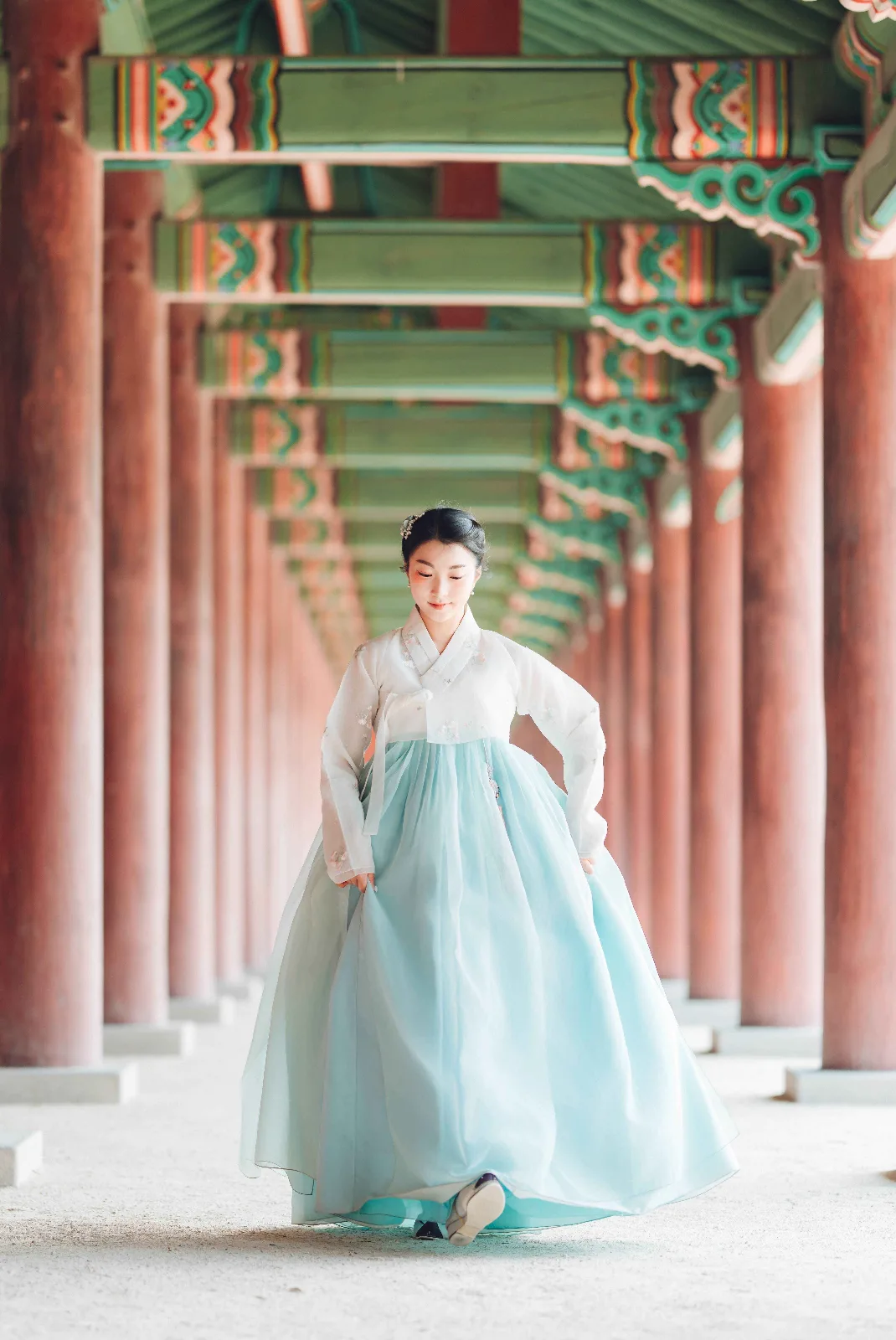
What Is Hanbok (한복) and Why You Should Try It in Korea

Hanbok is more than just traditional clothing—it represents Korea’s culture and history. This guide explains when people wear hanbok, the difference between traditional and modern styles, and how visitors can experience hanbok firsthand at places like Gyeongbokgung Palace.

What Is Hanbok (한복) and Why You Should Try It in Korea

Image Source: Korea Tourism Organization (Photo Korea) / Photo: Seo Moonkyo (KOGL Type 1)

032

Comments 0

Please sign in to continue.
Loading comments...

Recommended articles

Korean Travel#changdeokgung#changgyeonggung#cultural experience
2026-03-30

There are several royal palaces in Seoul.

At first, they might look similar, but once you visit them, each one feels quite different.

That’s why it can be hard to decide where to go.

A quick overview

Here’s a simple way to look at the main palaces in Seoul:

• Gyeongbokgung Palace → the largest and most iconic

• Changdeokgung Palace → a palace designed with nature...

008
K-Food#asian culture#chopsticks#cultural differences
2026-03-20

In Korea, people typically use both a spoon and chopsticks during meals.

Tableware in Korea

A typical Korean meal includes both tools.

• Spoon: for rice and soup

• Chopsticks: for side dishes

Each has a distinct role.

Characteristics of Korean Spoons...

00153
K-Food#banchan#food culture#food pairing
2026-04-06

Kimchi is served first in Korean restaurants

When you go to a Korean restaurant, you’ll often get kimchi before you even order.

No matter what you choose, kimchi usually comes as a standard side dish.

What is kimchi?

Kimchi is a fermented dish typically made with napa cabbage, red chili flakes, garlic, and salted seafood.

It usually has a salty, slightly sour, and mildly spicy flavor.

As it ferments over time, the flavor becomes deeper and stronger....

1019
Korean Language#abbreviations#korean dating culture#korean expressions
2026-03-20

“Namsachin” (nam-sa-chin) and “yeosachin” (yeo-sa-chin) are shortened forms meaning “male friend” and “female friend.”

Meaning

• Namsachin A male friend

• Yeosachin A female friend

Why these terms are used

They are used to make it clear that the relationship is not romantic.

There is also “sseomsachin”...

10201