



“Jjan~” (jjan) is the sound Koreans make when clinking glasses.
It is commonly used when making a toast.
When is it used
• Before drinking
• While clinking glasses
• To match the group’s mood
What it means...
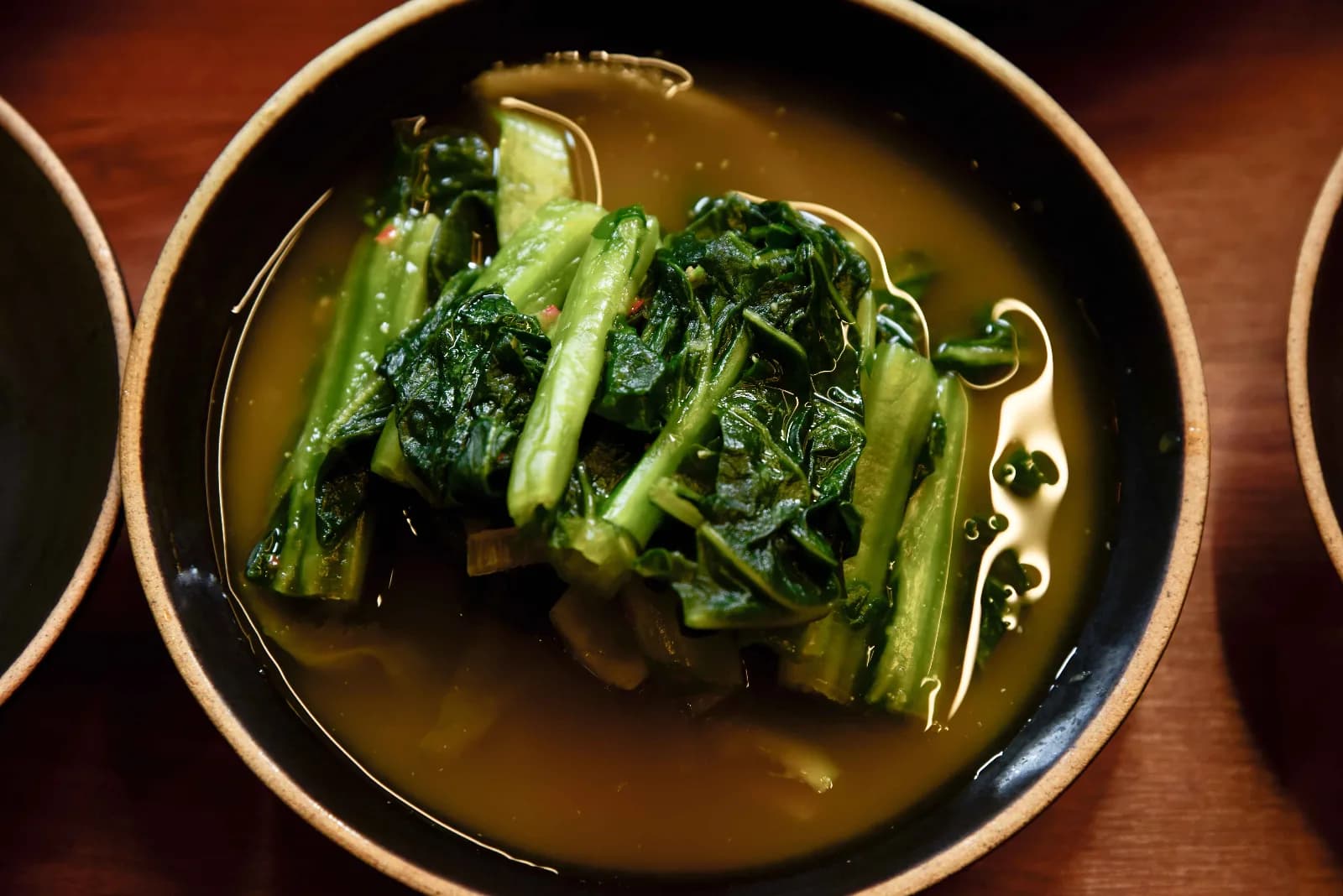
Yeolmu kimchi is a type of kimchi made with young radish, known for its light and refreshing taste. It’s often enjoyed on hot days, especially with cold noodle dishes.

Image source: Korea Tourism Organization (Photo Korea) / Photo by Studio 4cats (KOGL Type 1)
“Jjan~” (jjan) is the sound Koreans make when clinking glasses.
It is commonly used when making a toast.
When is it used
• Before drinking
• While clinking glasses
• To match the group’s mood
What it means...
In Korea, the number 7 is often written differently.
A short line is added through the middle of the number 7.
Because of this, it can look different from the way 7 is written in other countries.
Why Is It Written This Way?
• To avoid confusion with the number 1
• To make the number easier to read
This style is commonly seen in handwriting....
What is Arirang
Arirang is the most well-known traditional song in Korea, passed down through generations.
What kind of song is it
• There are many regional versions
• Lyrics vary, but the melody is similar
What it expresses
Arirang is more than just a song....
In Korea, people typically use both a spoon and chopsticks during meals.
Tableware in Korea
A typical Korean meal includes both tools.
• Spoon: for rice and soup
• Chopsticks: for side dishes
Each has a distinct role.
Characteristics of Korean Spoons...
Comments 0