



In Korea, it is common to see small stacks of stones in mountains or along trails.
What it means
• Making a wish
• Hoping for good luck
• A simple, personal ritual
Why people do it
• Easy for anyone to try...
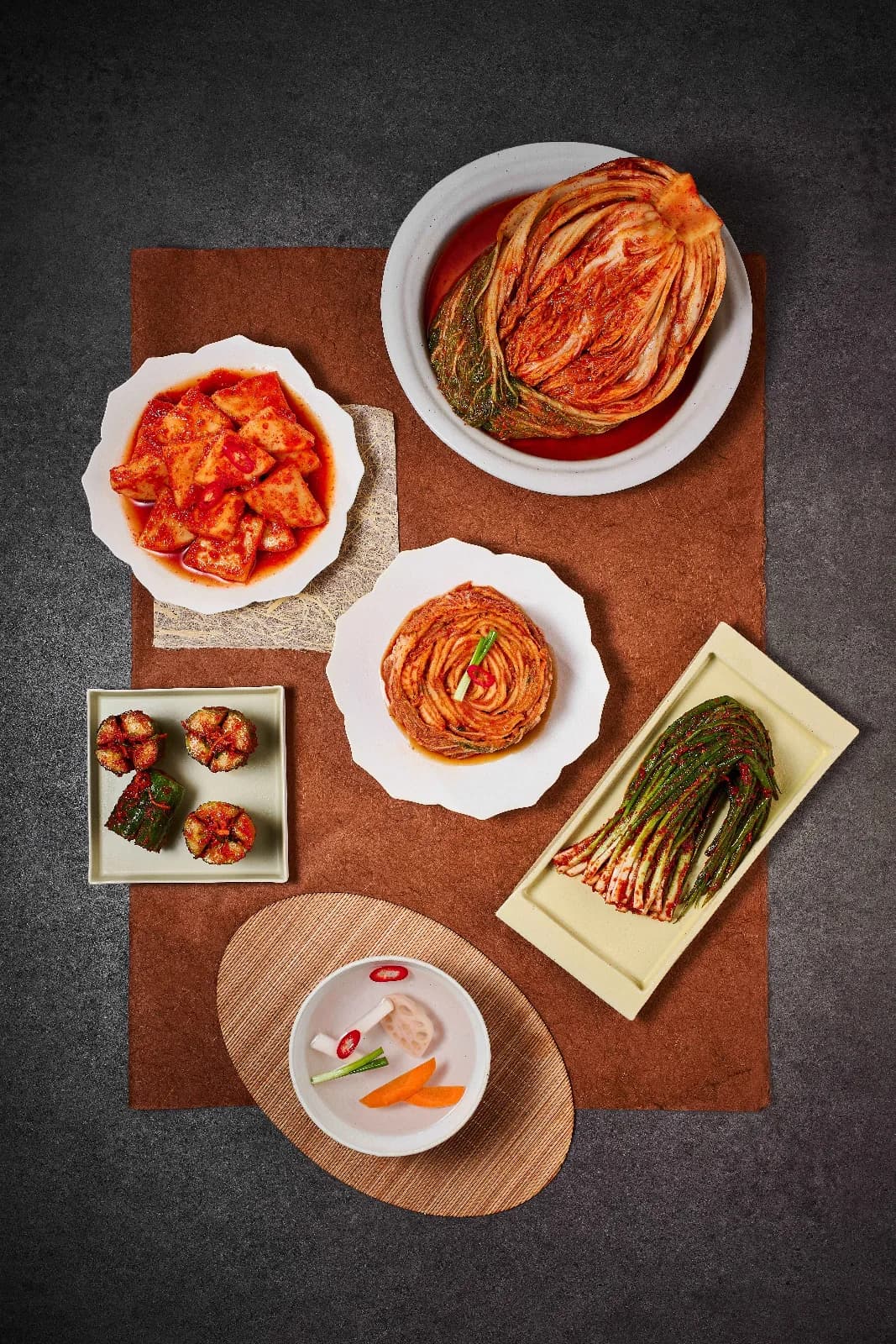
Kimchi is not just one single dish, but a variety of foods shaped by ingredients, seasons, and the way they are eaten. Each type of kimchi has its own role and can change the overall feel of a meal.

Image source: Korea Tourism Organization (Photo Korea) / Photo by Toraii Republic (KOGL Type 1)
In Korea, it is common to see small stacks of stones in mountains or along trails.
What it means
• Making a wish
• Hoping for good luck
• A simple, personal ritual
Why people do it
• Easy for anyone to try...
“Jjan~” (jjan) is the sound Koreans make when clinking glasses.
It is commonly used when making a toast.
When is it used
• Before drinking
• While clinking glasses
• To match the group’s mood
What it means...
“Namsachin” (nam-sa-chin) and “yeosachin” (yeo-sa-chin) are shortened forms meaning “male friend” and “female friend.”
Meaning
• Namsachin A male friend
• Yeosachin A female friend
Why these terms are used
They are used to make it clear that the relationship is not romantic.
There is also “sseomsachin”...
In Korea, it is common to wrap food in vegetables before eating.
What Is Ssam?
Ssam is a way of eating where meat, rice, and side dishes are wrapped together in leafy vegetables.
• Lettuce
• Perilla leaves
• Various greens
Different ingredients are combined into one bite....
Comments 0