


In Korea, it is common to see small stacks of stones in mountains or along trails.
What it means
• Making a wish
• Hoping for good luck
• A simple, personal ritual
Why people do it
• Easy for anyone to try...

Gwanghwamun is the main gate of Gyeongbokgung and a central space in Seoul where history and modern life meet. Gwanghwamun Square, with statues of King Sejong and Admiral Yi Sun-sin, serves as a major public space for events, gatherings, and daily life.
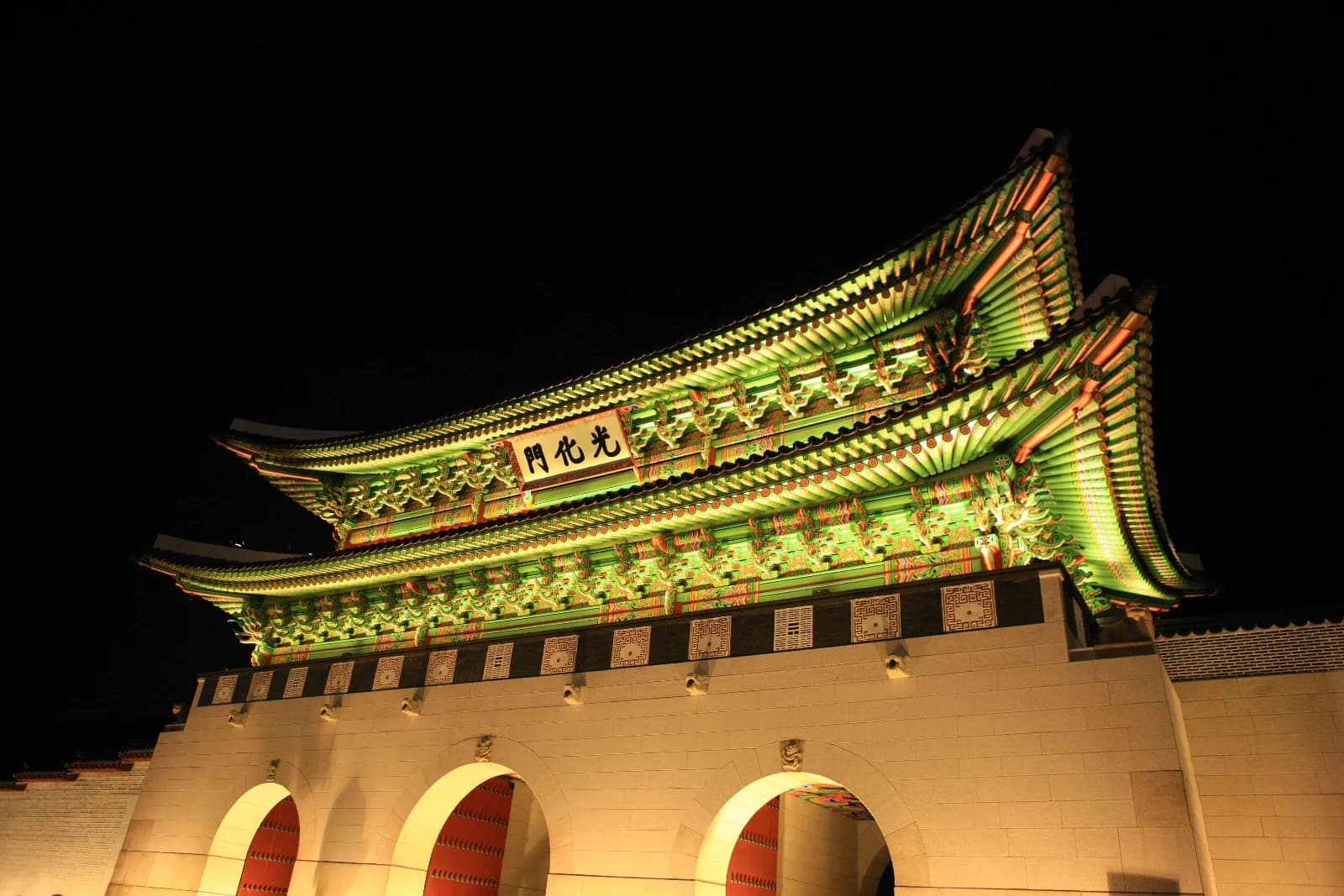
Image source: Korea Tourism Organization (Photo Korea) / Photo by Kim Ji-ho (KOGL Type 1)
In Korea, it is common to see small stacks of stones in mountains or along trails.
What it means
• Making a wish
• Hoping for good luck
• A simple, personal ritual
Why people do it
• Easy for anyone to try...
“Jjan~” (jjan) is the sound Koreans make when clinking glasses.
It is commonly used when making a toast.
When is it used
• Before drinking
• While clinking glasses
• To match the group’s mood
What it means...
In Korea, it is common to wrap food in vegetables before eating.
What Is Ssam?
Ssam is a way of eating where meat, rice, and side dishes are wrapped together in leafy vegetables.
• Lettuce
• Perilla leaves
• Various greens
Different ingredients are combined into one bite....
In Korea, people typically use both a spoon and chopsticks during meals.
Tableware in Korea
A typical Korean meal includes both tools.
• Spoon: for rice and soup
• Chopsticks: for side dishes
Each has a distinct role.
Characteristics of Korean Spoons...
Comments 0